
 Français
 Deutsch
 Italiano
 Español
 Čeština
Where to look for mushrooms today?
Ceps, chanterelles, morels, black trumpets, wood blewits and more: growing conditions in the 2 092 municipalities of Austria, recalculated every morning.
Best Länder today
Ceps
- Oberösterreich 13
- Vorarlberg 9
- Burgenland 9
- Kärnten 7
- Niederösterreich 6
Morels
Out of season at the moment.
Hedgehog mushrooms
- Oberösterreich 43
- Vorarlberg 30
- Burgenland 25
- Niederösterreich 24
- Kärnten 19
Black trumpets
- Oberösterreich 46
- Vorarlberg 32
- Salzburg 22
- Kärnten 18
- Niederösterreich 15
Funnel chanterelles
- Oberösterreich 20
- Vorarlberg 18
- Kärnten 14
- Salzburg 11
- Steiermark 10
Wood blewits
- Oberösterreich 50
- Vorarlberg 42
- Burgenland 29
- Steiermark 26
- Salzburg 24
Saffron milk caps
- Oberösterreich 27
- Vorarlberg 23
- Kärnten 13
- Salzburg 13
- Burgenland 12
Parasol mushrooms
- Oberösterreich 28
- Burgenland 21
- Vorarlberg 20
- Niederösterreich 16
- Kärnten 13
Sporalo's nine species
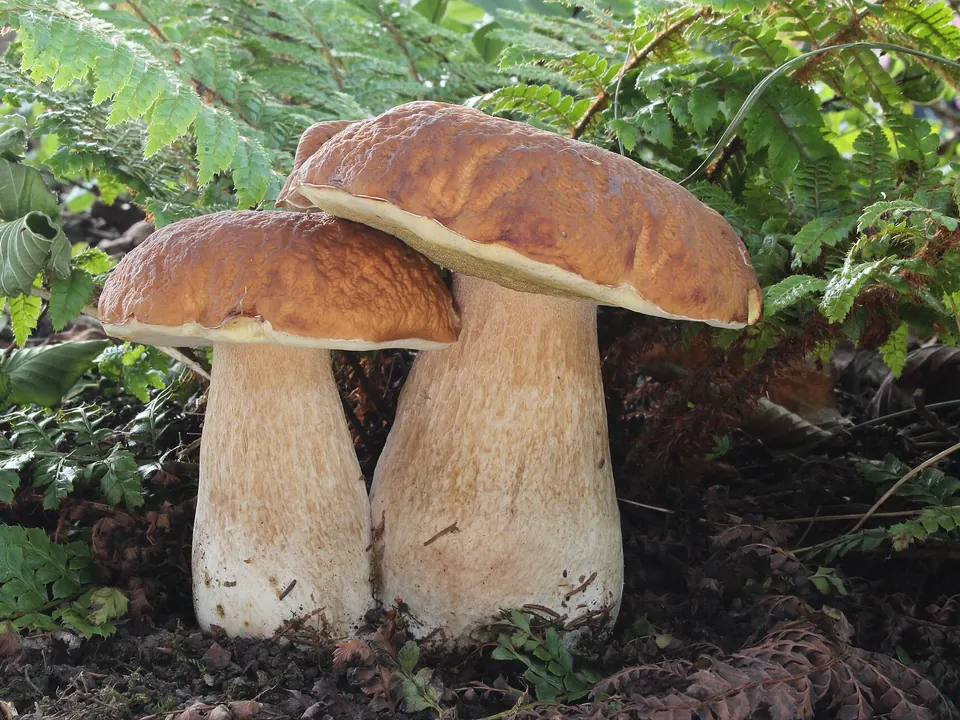
Ceps
Boletus edulis & groupe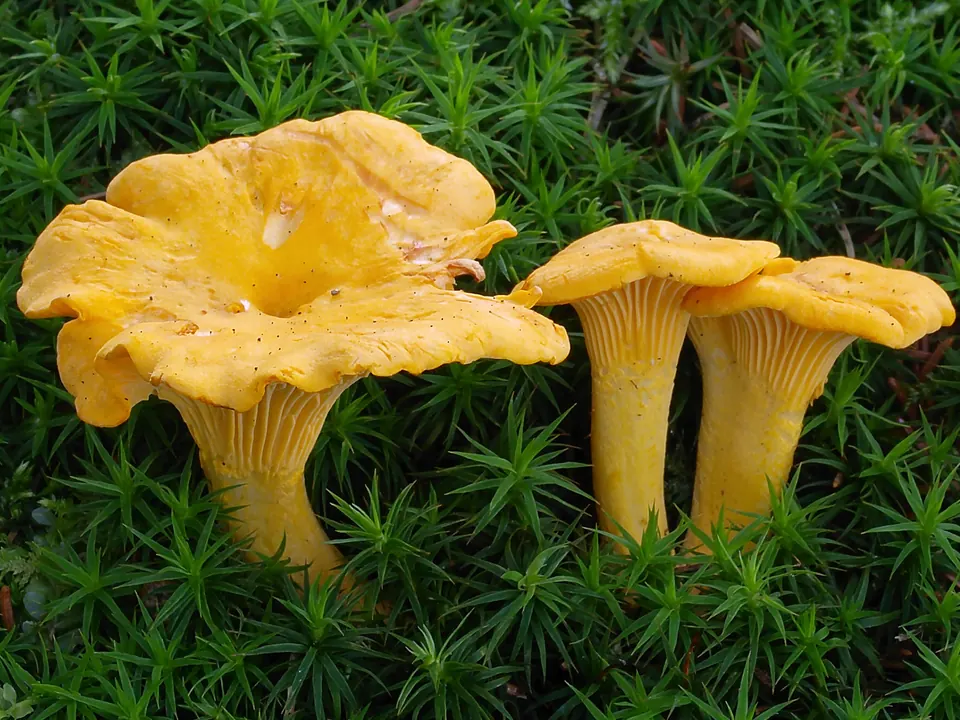
Chanterelles
Cantharellus cibarius & groupe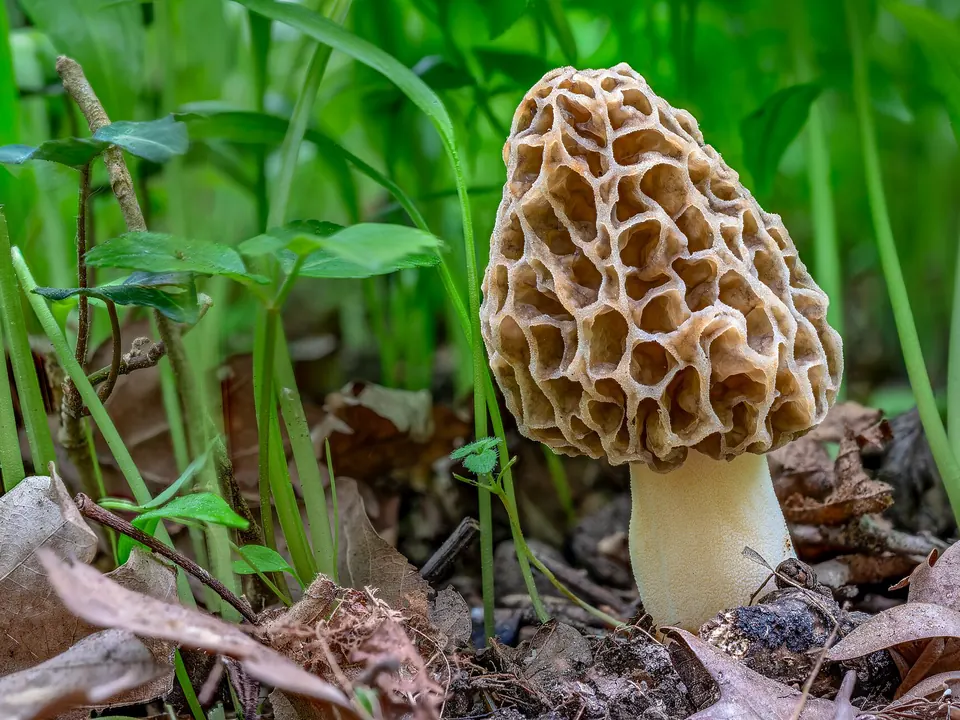
Morels
Morchella spp.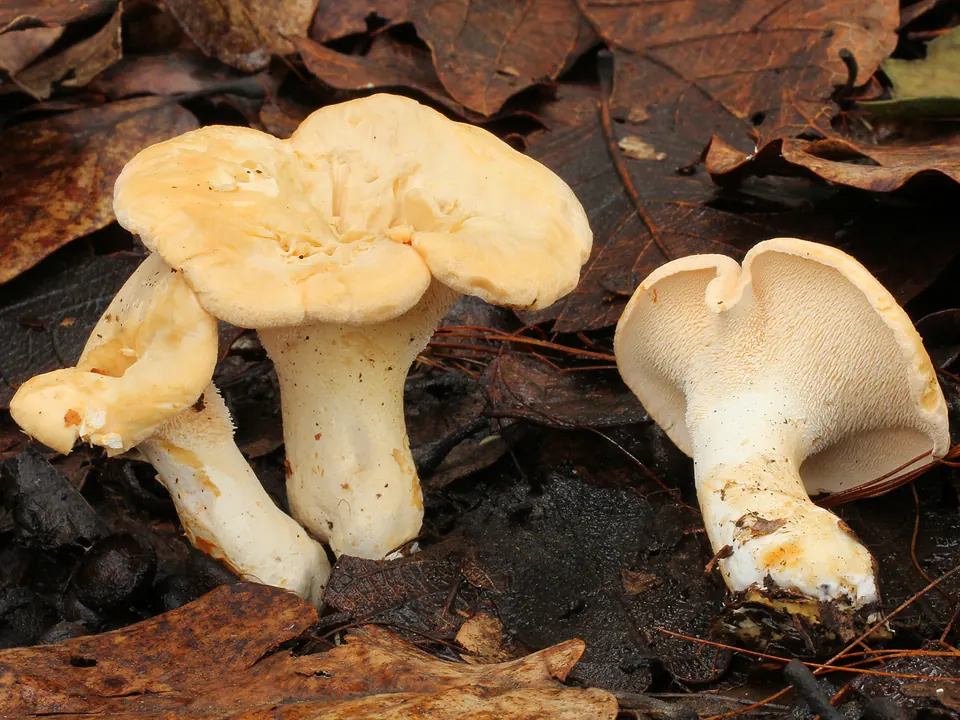
Hedgehog mushrooms
Hydnum repandum & rufescens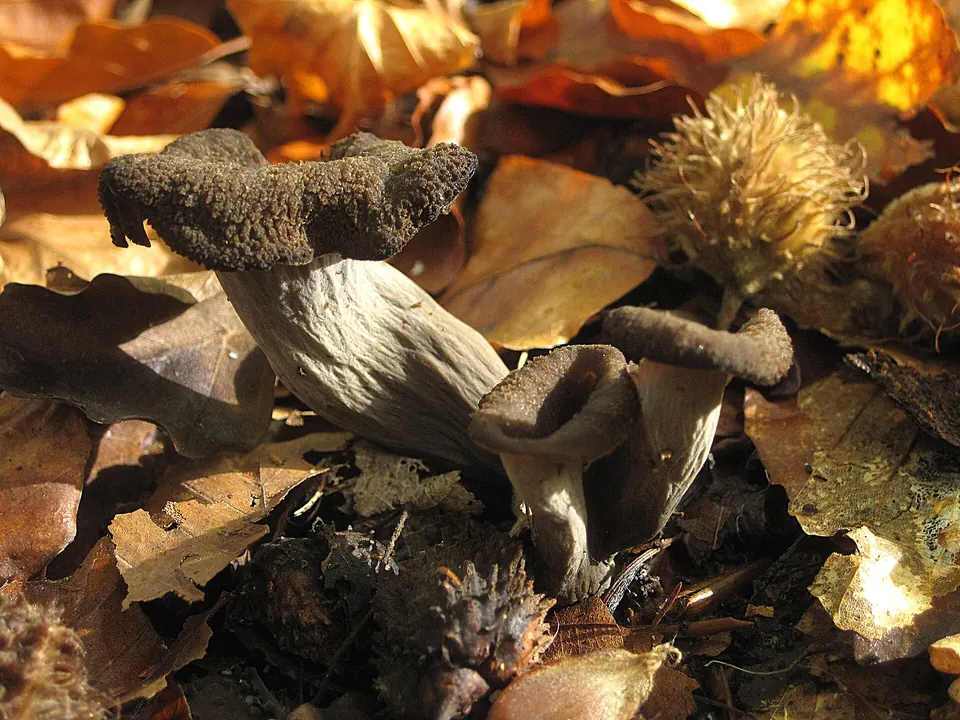
Black trumpets
Craterellus cornucopioides & cinereus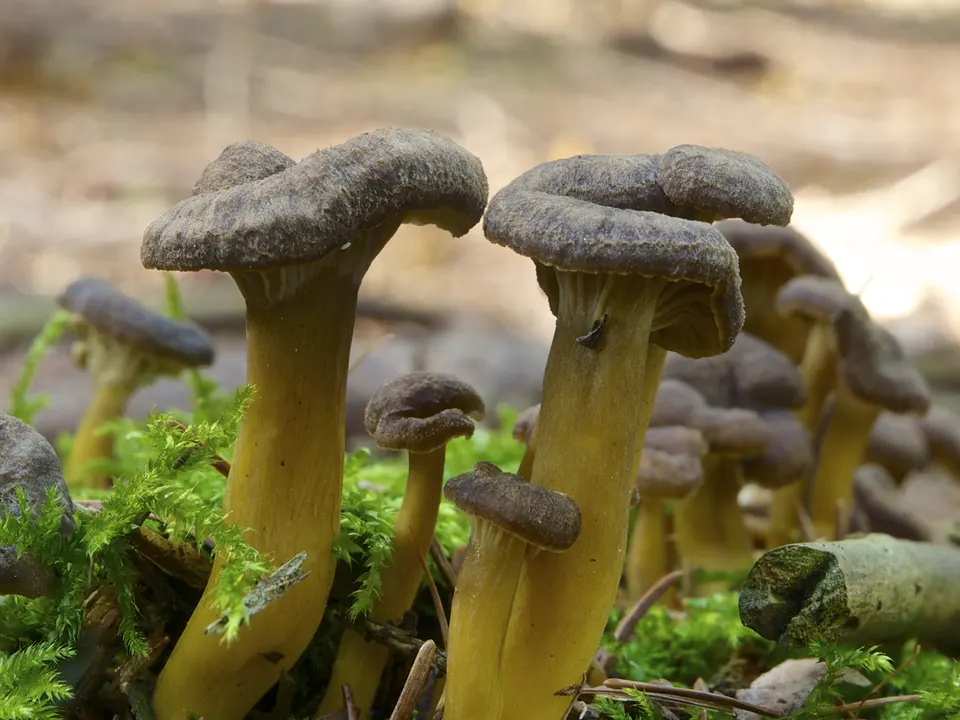
Funnel chanterelles
Craterellus tubaeformis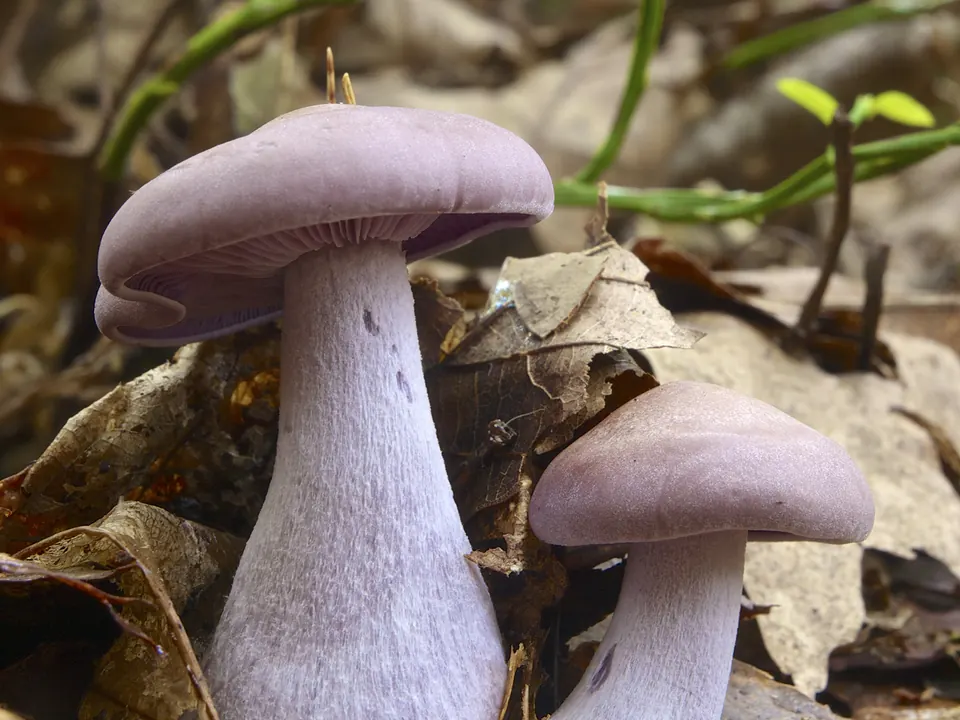
Wood blewits
Lepista nuda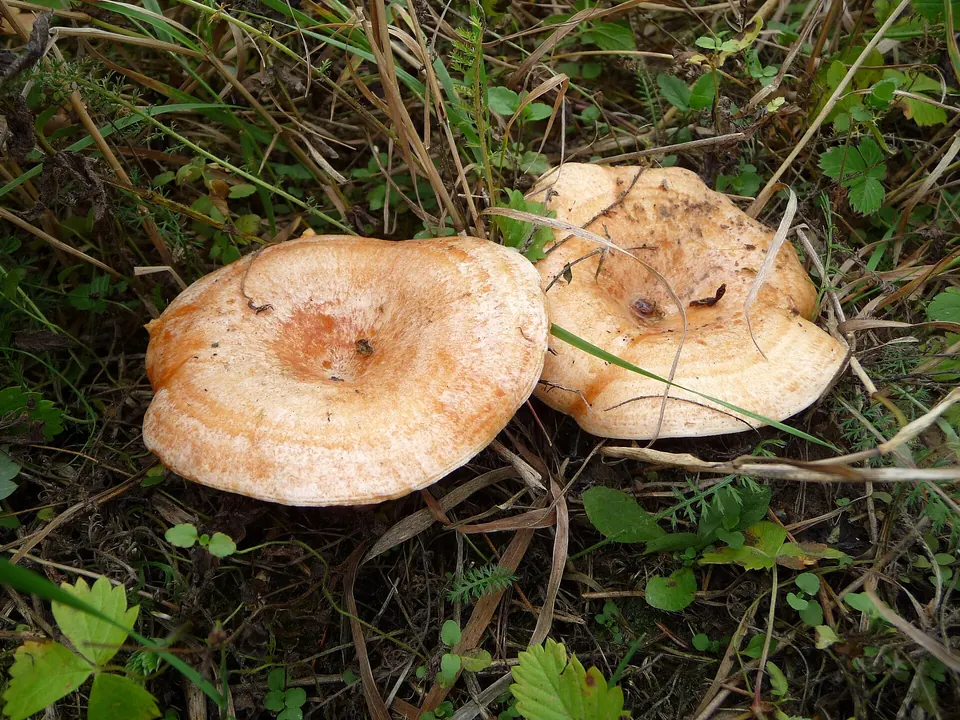
Saffron milk caps
Lactarius deliciosus & groupe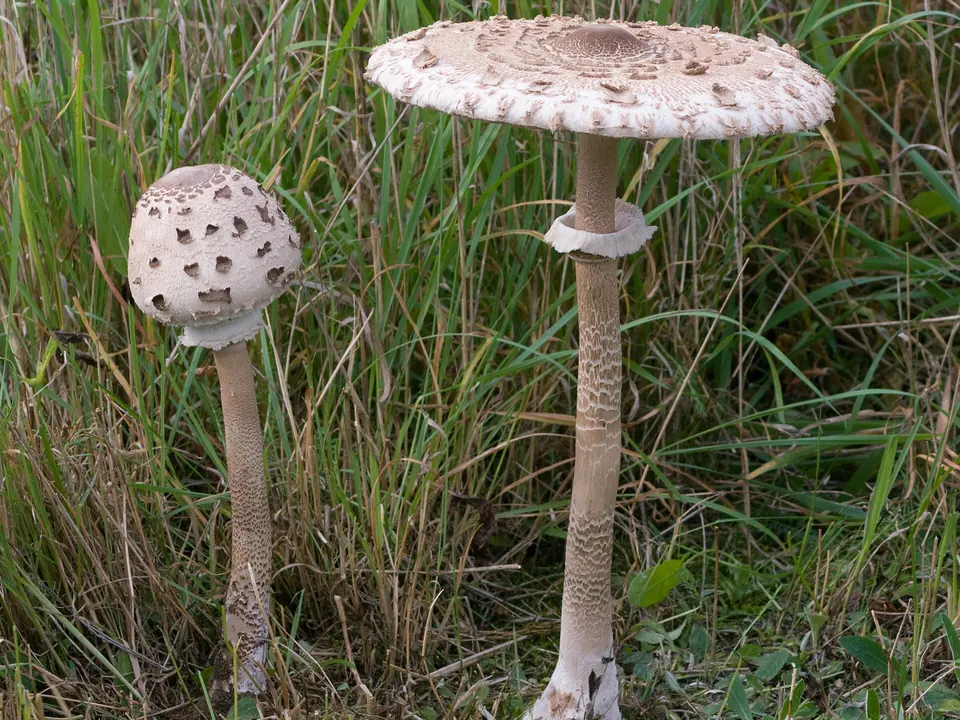
Parasol mushrooms
Macrolepiota proceraHow it is calculated
Temperature, rain over the last two weeks, soil moisture, season, host trees, pH and aspect: each factor, its weight and the 29 scientific publications it rests on.
- 100% open data: Open-Meteo, Statistik Austria, JRC, ESA WorldCover, OpenLandMap, Copernicus
- Calculated daily for every municipality, 8-day forecast
- Free, no advertising, no account, no tracking
Frequently asked questions
Where to look for mushrooms today in Austria?
The daily ranking, updated every morning, lists for each species the Länder where growing conditions are most favourable: sporalo.com/en/at/classement. The map then details the score of each of the 2 092 municipalities.
Which species does Sporalo follow?
Nine highly sought-after species: ceps, chanterelles, morels, hedgehog mushrooms, black trumpets, funnel chanterelles, wood blewits, saffron milk caps and parasol mushrooms. Each has its own page with identification, look-alikes, habitat and season.
How is the growth score calculated?
The score (0 to 100) combines the municipality's recent weather (temperature, rain over the past weeks, soil moisture, frost), the time of year and the altitude, then the habitat around the municipality (forests, host tree species, soil, aspect, land cover). Each factor limits the others: a single very unfavourable factor is enough to make the score drop. The Method page details the principles and the sources.
Is the score reliable?
The model was compared with real picking observations (GBIF data) and with the weather of control days: across 5 973 observations, the day the species was found scores higher than an ordinary day in 73% of cases (chance would give 50%). It is an indicator of favourable conditions, not a guarantee of finding mushrooms.
When is the data updated?
Every morning, from Open-Meteo observations and forecasts. Forecasts cover 8 days; the calculation date is shown on every page.
Can Sporalo help me identify a mushroom?
No. Sporalo shows where and when conditions are favourable, not what a mushroom is. Never eat a mushroom without certain identification: if in doubt, show your harvest to a pharmacist or a mycological society; if you have symptoms, call 144 (medical emergencies), 112 or the Vergiftungsinformationszentrale (+43 1 406 43 43).
Is Sporalo free?
Yes: free, with no advertising, no account and no tracking. The data used is open.